
Property refurbishments can feel stressful because there are lots of trades, decisions, and timings to juggle. Following a clear order of work helps you avoid delays, prevents damage to new finishes, and keeps costs under control.
A practical checklist to keep a refurbishment on track
A well planned sequence means each stage is completed before the next one begins, so you are not repeating work or waiting around for trades. It also makes it much easier to manage property refurbishment services in Crawley and Horsham with one organised plan rather than lots of separate bookings.
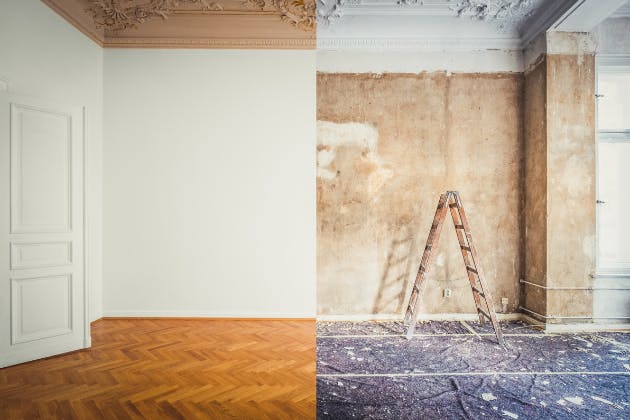
1) Survey, scope, and schedule
Start with a walkthrough to confirm what is being refurbished and what standard of finish you want. This is the stage to spot issues like damp patches, damaged plaster, ageing electrics, leaks, or uneven floors. Agree access, working hours, and who needs updates, especially if tenants or staff will still be using parts of the building.
2) Site setup and strip out
Before removing anything, protect floors, stairs, and walkways, and plan where waste will go. Strip out then removes old units, fittings, and tired finishes so you can see what you are working with. It is common to uncover problems here, which is why this stage is important for avoiding surprises later.
3) Repairs and any building work
Do any repairs or alterations before services and finishes go in. This can include making floors level, fixing damaged walls or ceilings, timber repairs, or addressing damp related issues. Getting the building fabric right here prevents knock on problems once the space is being finished.
4) First fix services
First fix is where the behind the scenes work happens, including plumbing and heating pipework, electrical cabling, ventilation routes, and any data or security wiring. It is also when you confirm exact positions for sockets, lighting, radiators, sanitaryware, and appliances. Good coordination at this stage helps avoid delays and rework.
5) Plastering, making good, and surface prep
Once the first fix is approved, walls and ceilings are plastered and surfaces are prepared for decoration. Floors may be levelled or screeded depending on the finish you are fitting. Drying time is key, as rushing this stage can lead to cracks, poor paint finish, or flooring issues.
6) Second fix, fitting, and finishes
Now you fit the visible items, such as sockets and switches, doors, skirting, sanitaryware, and final plumbing connections. Kitchens, bathrooms, and joinery are usually fitted here, followed by flooring and tiling at the right moment to avoid damage. This is the stage where the property starts to feel complete, but it still needs careful sequencing.
7) Snagging, clean, and handover
A snagging check picks up the small but important details like touch ups, sealant finishing, loose fittings, or alignment tweaks. After that, the space is deep cleaned and handed over ready to use. For commercial sites, this can also include confirming any safety checks or ongoing maintenance needs.
Quick checklist before work begins
- Confirm scope, budget, finish level, and timeline
- Order long lead items early and lock in delivery dates
- Agree access, working hours, and update process
- Plan first fix positions for services and fixtures
- Allow drying time before decorating and flooring
Looking for property refurbishment services in Horsham and Crawley?
HITS Facilities Management can manage your refurbishment from planning to handover, giving you one point of contact and clear updates throughout. Call us on 01293 320 806 or fill out our contact form to arrange a visit and get a quote.
